How ESG Targets Are Influencing Window Specification Decisions
ESG – Environmental, Social and Governance – is increasingly shaping decisions across the commercial construction industry. For architects, developers, contractors and building owners, sustainability is no longer simply about meeting minimum regulations. It is about creating buildings that perform efficiently, support occupant wellbeing and deliver long-term value.
For Internorm Commercial, this makes window specification more important than ever. Windows form a critical part of the building envelope and can influence energy performance, comfort, acoustic conditions and the long-term performance of a building.
So, how are ESG targets changing the way commercial windows are specified?
1. Thermal Performance Is a Priority
Reducing operational energy consumption is a key environmental objective for many commercial projects. High-performance windows can contribute by reducing heat transfer through the building envelope.
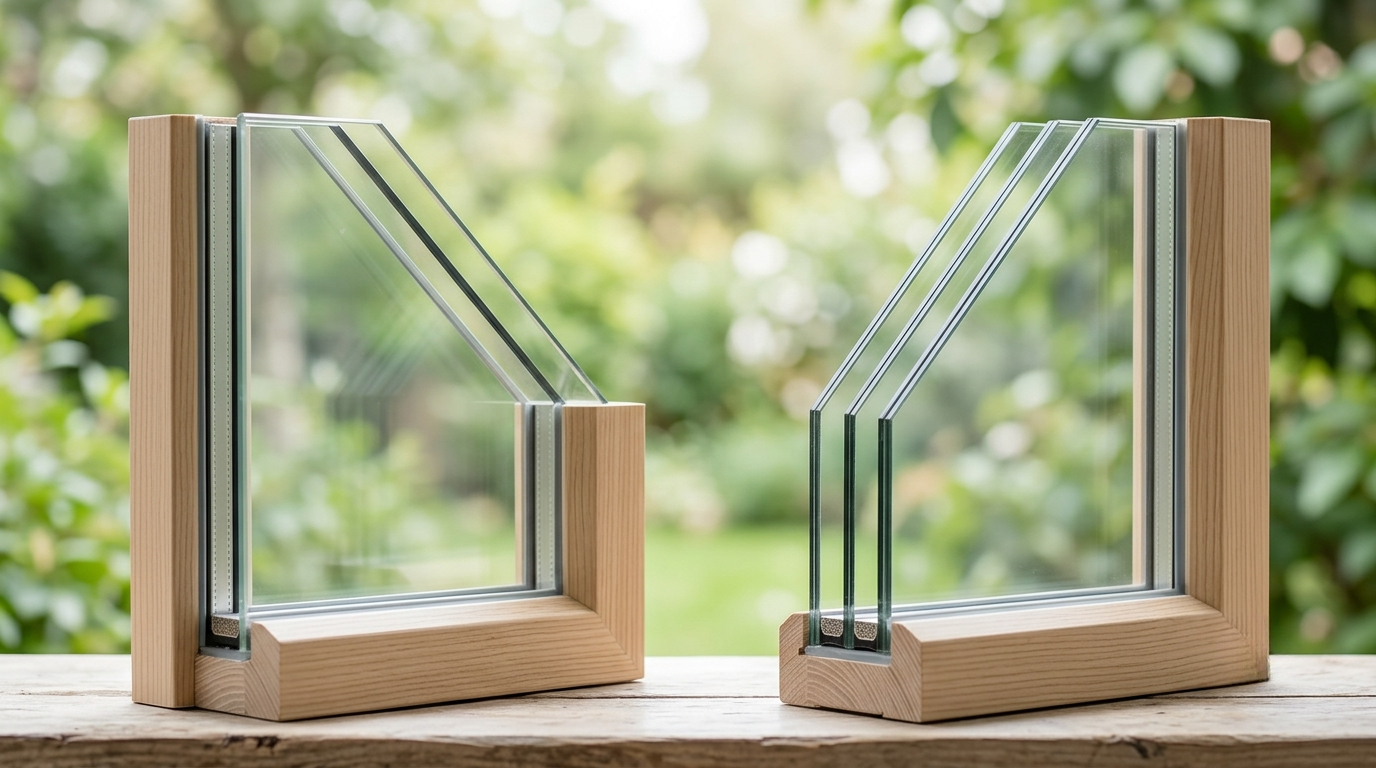
The lower a window’s U-value, the better its thermal insulation. Internorm’s commercial systems achieve U-values as low as 0.62 W/m²K, with many systems suitable for demanding Passivhaus projects.
This means window specification is increasingly being considered as part of a wider fabric-first approach, where the building envelope is designed to minimise energy demand before relying on heating, cooling or other building services.
2. Solar Control Matters Too
Energy efficiency isn’t only about retaining heat during winter. As overheating becomes an increasingly important design consideration, controlling solar gain is also part of effective window specification.
Large areas of glazing can provide valuable daylight and views, but uncontrolled solar gain can increase cooling demand and affect occupant comfort.
Internorm’s I-tec Shading provides integrated shading options designed to help manage solar exposure while maintaining the clean appearance of the window system.
For ESG-focused projects, this creates an opportunity to balance daylight, solar gain, thermal performance and occupant comfort within the overall façade strategy.

3. Occupant Wellbeing Is Part of ESG
The social element of ESG is also influencing specification decisions.
A building needs to provide a comfortable environment for the people who use it. Windows can contribute through thermal comfort, daylight, ventilation, security and acoustic performance.
This is particularly important for projects located near busy roads, railways, airports or other sources of external noise.
Internorm windows can achieve acoustic performance of up to 48dB, depending on the system and specification.
For offices, schools, hotels, care homes and residential developments, acoustic performance can therefore be an important consideration alongside thermal efficiency.
4. Material Selection Is Being Considered More Carefully
ESG is also encouraging project teams to look more closely at material choices.
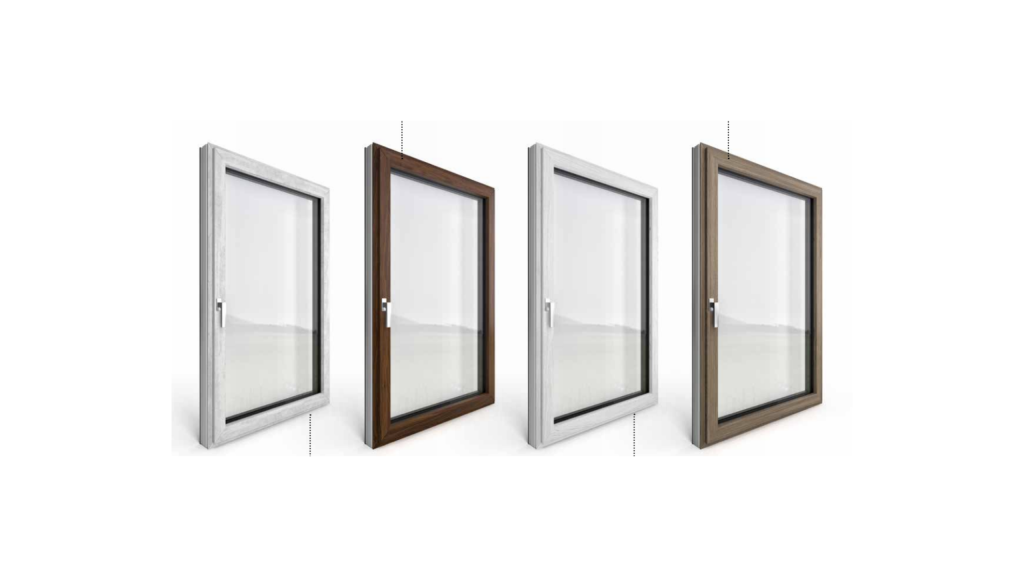
Internorm Commercial offers uPVC, uPVC-aluminium and timber-aluminium window systems, providing different combinations of aesthetics, performance and material characteristics.
The right choice will depend on the project’s requirements, but material selection is increasingly being considered alongside durability, maintenance, performance and the wider design strategy rather than simply initial cost.
5. Lifecycle Performance Matters
ESG targets encourage developers and building owners to think beyond the initial construction phase.
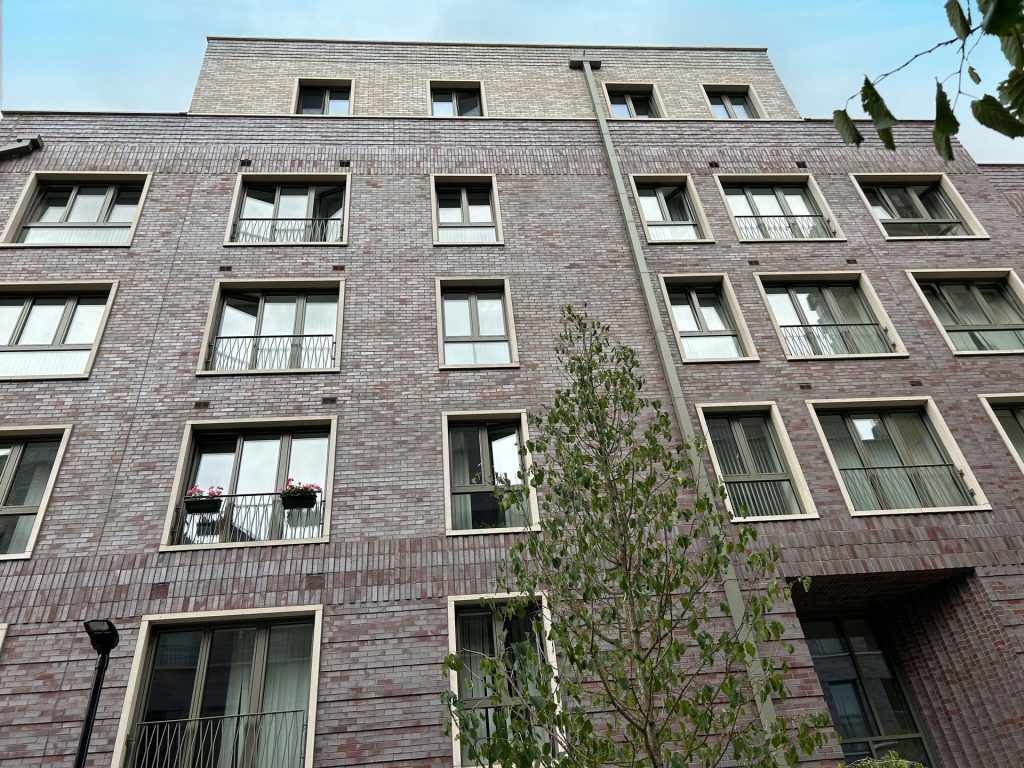
Durability and long-term performance can influence the overall value of a specification. Replacing windows prematurely can involve additional materials, manufacturing, transport and installation – as well as disruption to building occupants.
Internorm offers a 15-year product warranty on its commercial windows and doors, supporting a longer-term approach to product selection.
For commercial developments, considering expected performance and longevity at the specification stage can therefore be an important part of lifecycle thinking.
6. Better Performance Data Supports Better Decisions
As ESG requirements become more detailed, architects and contractors need reliable technical data when selecting products.
Rather than specifying a window based solely on appearance or price, project teams can assess measurable criteria such as:
- U-value
- Acoustic performance
- Solar control
- Security
- Material composition
- Airtightness
- Suitability for Passivhaus or other performance standards
Internorm’s Product Specification tool allows specifiers to filter systems according to requirements including maximum U-value, material type and sound reduction.
Internorm also provides a BIM Library and technical resources to support commercial project teams.
What Does This Mean for Specifiers?
ESG is changing the question from:
“Which window looks right for the project?”
to:
“Which window best supports the building’s overall performance objectives?”
Thermal efficiency, solar control, acoustic performance, material choice, durability and occupant comfort are increasingly interconnected.
For projects targeting Passivhaus, EnerPHit or ambitious energy-performance goals, window specification needs to be considered early in the design process rather than treated as a final-stage product selection. Internorm works with developers, architects, contractors and consultants on new-build and retrofit projects, including Passivhaus and EnerPHit schemes.
Specify Windows With ESG in Mind
At Internorm Commercial, we provide high-performance window and door systems for demanding commercial projects, combining thermal efficiency, acoustic performance, security and design flexibility.
Explore the Internorm Commercial range or use our Product Specification tool to identify systems that align with your project’s requirements.
Planning a commercial project with ambitious ESG or energy-performance targets?
Contact Internorm Commercial to discuss your project and find out how high-performance window systems can contribute to your building’s wider performance strategy.

- How ESG Targets Are Influencing Window Specification Decisions - 18 August 2026
- How High-Performance Glazing Supports Net Zero Building Targets - 16 April 2026
- Understanding Part L Window Requirements in 2026 - 10 February 2026