Triple Glazing vs Double Glazing for Commercial Projects: The Ultimate Guide
In modern commercial construction, specifiers, architects, and developers face a rapidly changing legislative landscape. With the UK pushing toward stricter carbon reduction targets and net-zero goals, the fabric-first approach to building design is no longer just a trend – it is a regulatory necessity. One of the most critical structural decisions in any multi-residential, public, or commercial build revolves around architectural glazing.
Specifically, the debate often comes down to triple glazing vs double glazing for commercial projects.
While double-paned systems have been the industry standard for decades, the push for superior energy efficiency and improved occupant comfort is shifting the landscape. As Europe’s leading manufacturer of high-performance windows and doors, Internorm Commercial has put together this ultimate guide to analyse triple glazing vs double glazing through a commercial lens, detailing which solution future-proofs your next development.
The Core Differences: Beyond the Extra Pane
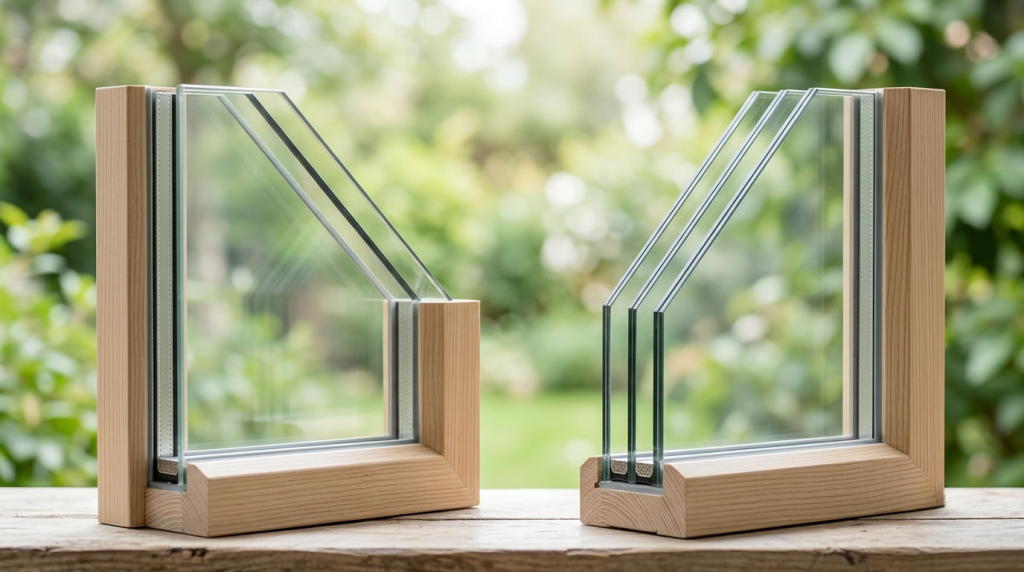
To make an informed decision for large-scale developments, it is vital to look past the surface. At its most basic, the comparison of triple glazing vs double glazing is about the number of glass panes – three versus two. However, the true difference lies in the engineering between those layers.
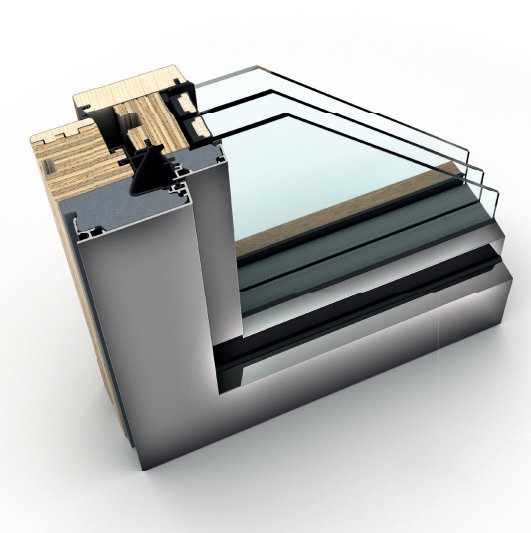
In high-quality systems, the gaps between the glass panes are filled with insulating noble gases like argon or krypton. Triple-glazed units incorporate two of these gas-filled barriers alongside advanced low-emissivity coatings (such as ECLAZ® glass used as standard by Internorm). This combination drastically minimises thermal transmittance, giving triple-paned systems a massive advantage when evaluating triple glazing vs double glazing for large architectural facades.
Key Comparison Factors for Commercial Developments
When assessing triple glazing vs double glazing for commercial projects, decision-makers must weigh performance metrics across several categories.
1. Thermal Performance and U-values
In commercial architecture, thermal efficiency is quantified by U-values (measuring heat loss through a structural element). The lower the U-value, the better the insulation.
- Premium double-glazed commercial windows generally struggle to achieve U-values below 1.2 W/(m²K).
- In contrast, Internorm’s bespoke triple-glazed window systems achieve outstanding Uw-values as low as 0.62 W/(m²K).
When analysing triple glazing vs double glazing to meet strict building regulations, triple glazing easily surpasses standard requirements, making it the superior choice for low-energy buildings.
2. Meeting the Passivhaus Standard
For forward-thinking commercial projects aiming for the prestigious Passivhaus standard or EnerPHit retrofits, the choice in the triple glazing vs double glazing debate is clear. Passivhaus criteria generally demand window U-values of 0.8 W/(m²K) or lower. Double glazing simply cannot meet this strict performance threshold. To minimise heating demand, maintain airtightness, and dramatically lower operational carbon emissions, triple-glazed systems are non-negotiable.
3. Acoustic Insulation in Urban Environments
Commercial projects – whether they are high-density apartment blocks, offices, or school builds – are frequently located in bustling urban zones. Mitigating environmental noise pollution is critical for occupant well-being. Evaluating triple glazing vs double glazing purely on acoustics reveals that the extra pane, wider overall cavity, and advanced multi-gasket seals found in triple units muffle external decibels far more effectively, ensuring internal tranquillity.
TCO and ROI: Is Triple Glazing Worth the Investment?
A common reservation among commercial contractors regarding triple glazing vs double glazing is the initial capital expenditure. Triple-glazed units require robust, precision-engineered frame profiles to support the increased weight of the glass, which can elevate procurement costs.
However, a holistic Total Cost of Ownership (TCO) calculation paints a different picture:
| Performance Metric | Double Glazing | Internorm Triple Glazing |
|---|---|---|
| Average Window U-value | ~1.2 W/(m²K) | Down to 0.62 W/(m²K) |
| Passivhaus Compliance | No | Yes (Certified) |
| HVAC Operational Costs | Higher load required | Significantly reduced |
| Acoustic Decibel Reduction | Standard | Elite (Multi-gasket systems) |
By opting for premium triple-pane energy-efficient windows, developers can downsize the building’s mechanical HVAC systems because the thermal load is highly regulated by the building envelope itself. Over the lifecycle of a commercial asset, the energy savings yielded by mitigating heat loss easily offset the upfront premium, settling the financial side of triple glazing vs double glazing.
The Internorm Commercial Advantage
At Internorm Commercial, we do not view triple glazing as an upgrade – it is our standard. For over 90 years, we have pioneered architectural glazing technology, manufacturing bespoke uPVC, timber-aluminium, and uPVC-aluminium composite products across our state-of-the-art facilities in Austria.
When you navigate the complex selection of triple glazing vs double glazing, our dedicated commercial team works closely with your architects, developers, and consultants from the point of order through to final delivery. We provide:
- In-House Quality Control: We manufacture all glass units in-house to ensure unparalleled structural integrity.
- Industry-Leading Warranties: A 15-year product warranty provides long-term peace of mind for your stakeholders.
- Streamlined Timelines: Maximum 8-week lead times ensure your commercial construction schedule stays firmly on track.
Choosing between triple glazing vs double glazing dictates a building’s performance for decades to come. By prioritising high-specification triple systems, you actively future-proof your project against evolving energy legislation.
Elevate Your Next Commercial Project
Ready to optimise your building envelope with market-leading thermal and acoustic performance? Don’t let outdated glazing specifications compromise your architectural vision or energy compliance.
Explore our latest case studies and product innovations by visiting the Internorm Commercial News hub to see our systems in action across major UK developments.
To collaborate with us, contact our specialist commercial project managers today at 0208 205 9991 or email commercial@internorm.com to request bespoke shop drawings, technical U-value calculations, or expert advice tailored directly to your project’s unique constraints. Let’s build the future together.

- Triple Glazing vs Double Glazing for Commercial Projects: The Ultimate Guide - 26 June 2026
- Why Internorm Windows are a Good Choice for Care Homes - 12 September 2023
- uPVC Aluminium vs Aluminium Windows - 6 September 2023
Categories: Tripple Glazing, uPVC, uPVC/Aluminium, Windows